

Herbe : nf The word "grass" (from the Latin herba "grass", "young shoot " and " plants ”) has several meanings in French:
1. In botany: Vegetal immense woody whose aerial parts are annual and the underground parts can either disappear every winter, or constitute a strain lively. The banana tree is a tree herb.
Current: This vegetal, when it is small and flexible (cf. no. 3 below: “grass”).
Herbes annual, lively. Cultivated grass, grass savage, field grass.
Herbes aquatic.
To gather herbs, to make a collection of them (herbarium; herbalize).
Medicinal herbs, officinal (herbalist).
Herbes odorous, aromatics.
Fines : aromatic herbs who enter theseasoning certain dishes (region: herbette); chervil, spring onion, chive, cive, tarragon, parsley, burnet.
Especially ; chive et chervil. A omelette, cheese frais to Herbs.
(In the common names of plants herbaceous or not) : herbs of Provence : mixed de thyme, rosemary, oregano, sarriette, marjoram et basil dried. Donkey grass (evening primrose).
Cantor grass (Sisymbre and Velar).
Catnip, for cats (nepète, catnip, valerian).
buffalo grass. Pearl grass (gromley). Sneeze weed (yarrow or silver-button).
St. John's Grass (wormwood, St. John's wort).
Weed of all ills, sacred herb (verveine).
St. John's Day herbs: herbs that were picked on St. John's Day, and to which magical properties were attributed.
In Canada: Ragweed: plant (composite) that causes respiratory allergies (ambrosia).
Poison ivy: stinging plant (sumac poisonous).
2. Common use: herbaceous plant, grass most often, which grows naturally wherever the conditions are favorable to it (grass). The tall grasses of the meadows, savannahs.
Wild grasses. Dry herbs. Abandoned mill, overgrown with weeds.
Weed: grass that is of no use and harms the crops it invades, especially quackgrass.
Remove, pull weeds: weed, hoe. Product that destroys weeds (weedkiller, herbicide).
Phrase: To grow like a weed, quickly, easily (especially when speaking of a child) (Bad seed).
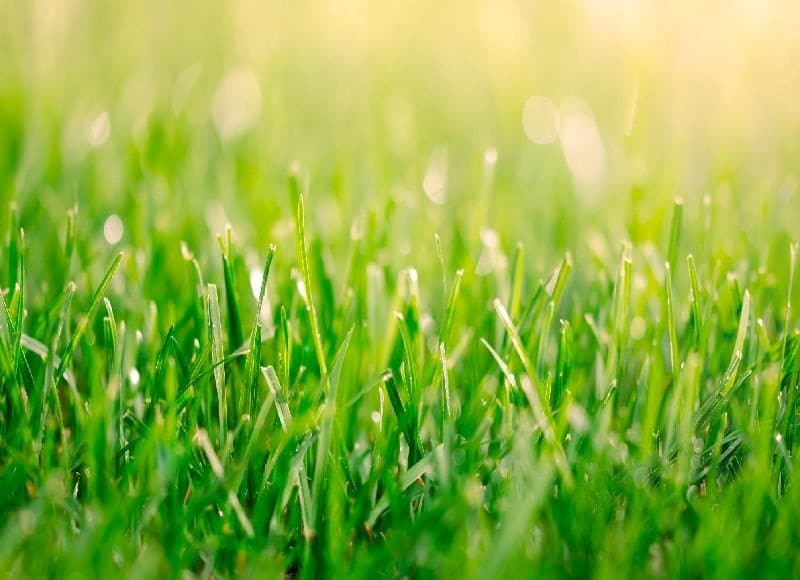
3. Collective singular: Grass: natural vegetation of low herbaceous plants where grasses dominate (ray-rass; lawn). Tuft, blade of grass. Short, greasy, thick grass. Green herb (vegetables).
Places covered with grass (ditch, grassland, pasture, meadow, meadow, savannah, embankment).
Paths overgrown with grass (adjective: grassy, grassy).
Maintained grass for the decoration of gardens (grass, lawn).
Walk, run in the grass, on the grass (meadow, meadow).
Luncheon on the Grass (picnic). Cut, mow meadow grass. Cut grass, mown grass, dried grass (hay).
Making grass for rabbits, cutting it, harvesting it.
Bring grass to the animals (fodder).
Grass-eating animals (herbivores).
Phrases using the word “grass”: to cut, to mow the grass under someone's foot: to frustrate someone of an advantage by getting ahead of him, by supplanting him. Elsewhere, the grass is greener: the situation of others always seems enviable.
4. Food uses: herbs cook ou cooked like vegetables (spinach, cress, amaranth) or giving seeds as the discord. The rice also comes from a herb seeds (Oryza sativa).
Herbs to herbal teas.
5. Familiar: Weed: drug consisting of dried and crushed cannabis leaves, stems and flowers, which is smoked, usually mixed with tobacco (synonyms: kif, marijuana; colloquial: weed, joint, firecracker). Smoke some weed.
6. By analogy: En herbe: said of cereals which, at the beginning of their growth, are green, short and soft as grass. Wheat grass.
Figuratively. : eat his wheat budding: utiliser, to spend a productive good before it has yielded.
Speaking of children, young people who have a talent for something: "a budding mechanic", apprentice, future (cf. seed of….).
– Quote from Mexican writer and photographer Juan Rulfo (1917-1986): “When the grass has grown, we will no longer have to feed corn to the cattle. There will be plenty of it.” in the novel Pedro Páramo (1955).
Related Articles:
Aromatic herbs
Herbs of Provence
Turtle Grass
bison grass
Herbaceous
herb scissor.